Living alongside elephants isn’t easy—but conflict isn’t inevitable. EHRA works with communities to identify the root causes of human-elephant conflict and implement practical, long-term solutions that protect livelihoods while allowing elephants to survive. From safeguarding water infrastructure and securing food sources to education and alternative water points, every project forms part of a holistic approach to peaceful coexistence.
the coexistence challenge
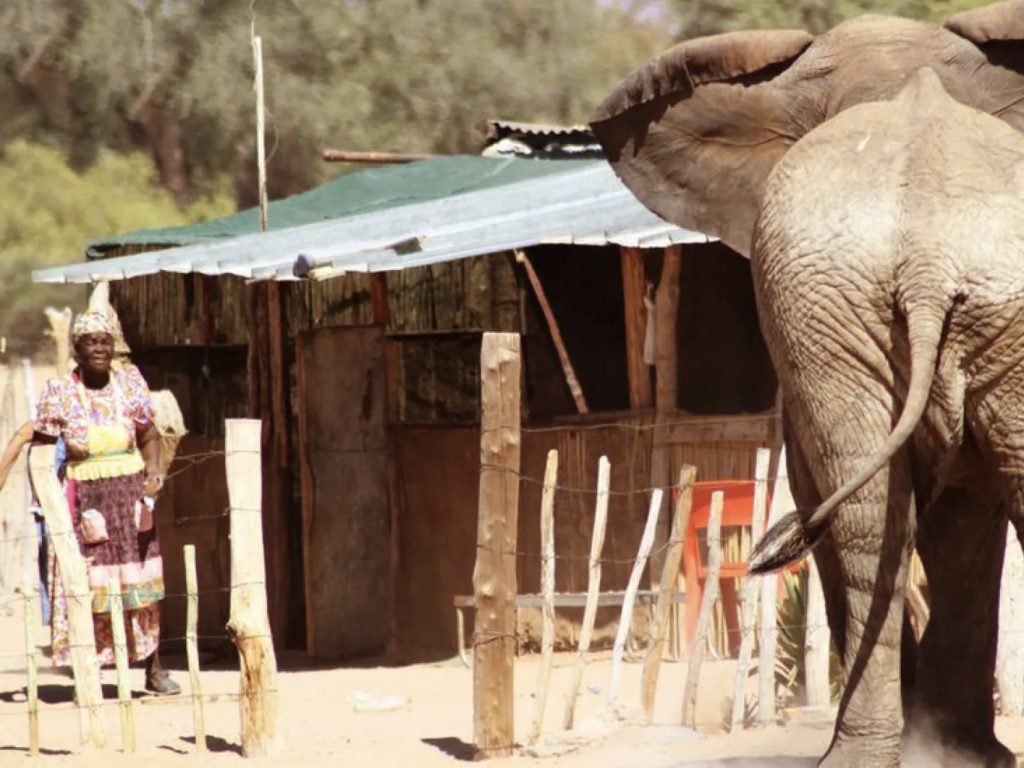
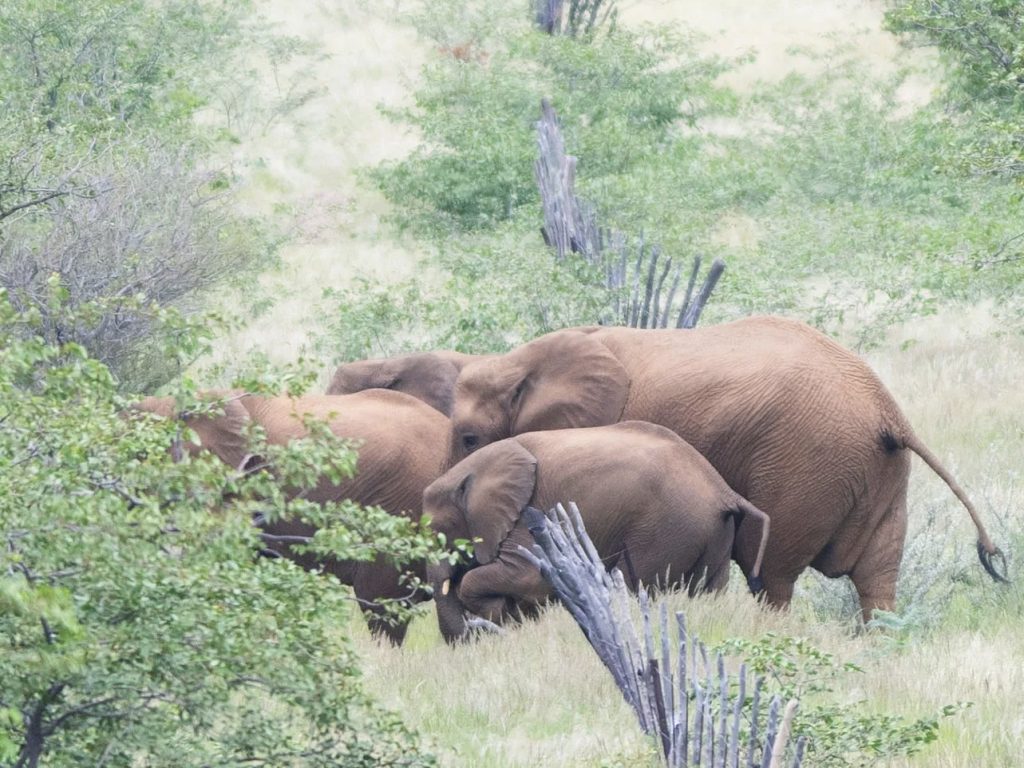
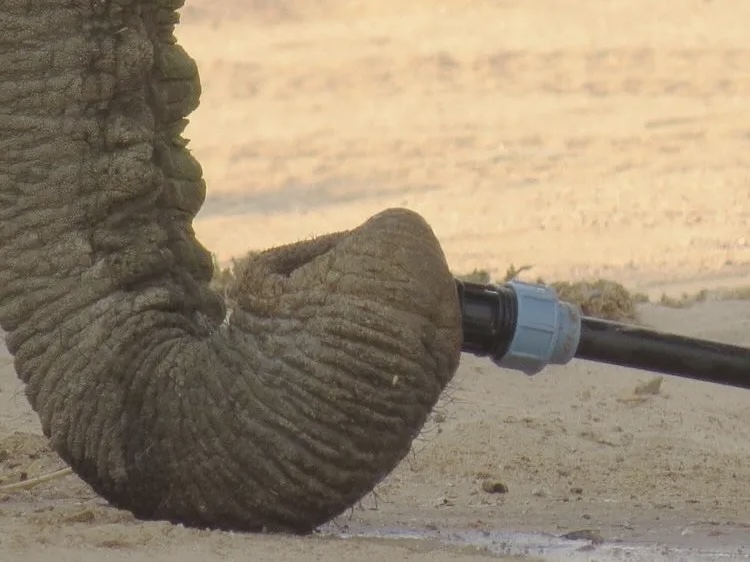
Living alongside elephants is challenging. Large herds can pose safety risks, especially for communities that may not know how to respond safely. In search of clean, fresh water, elephants may damage pipes, pumps, tanks, and other vital infrastructure, resulting in costly repairs and disrupted water supplies.
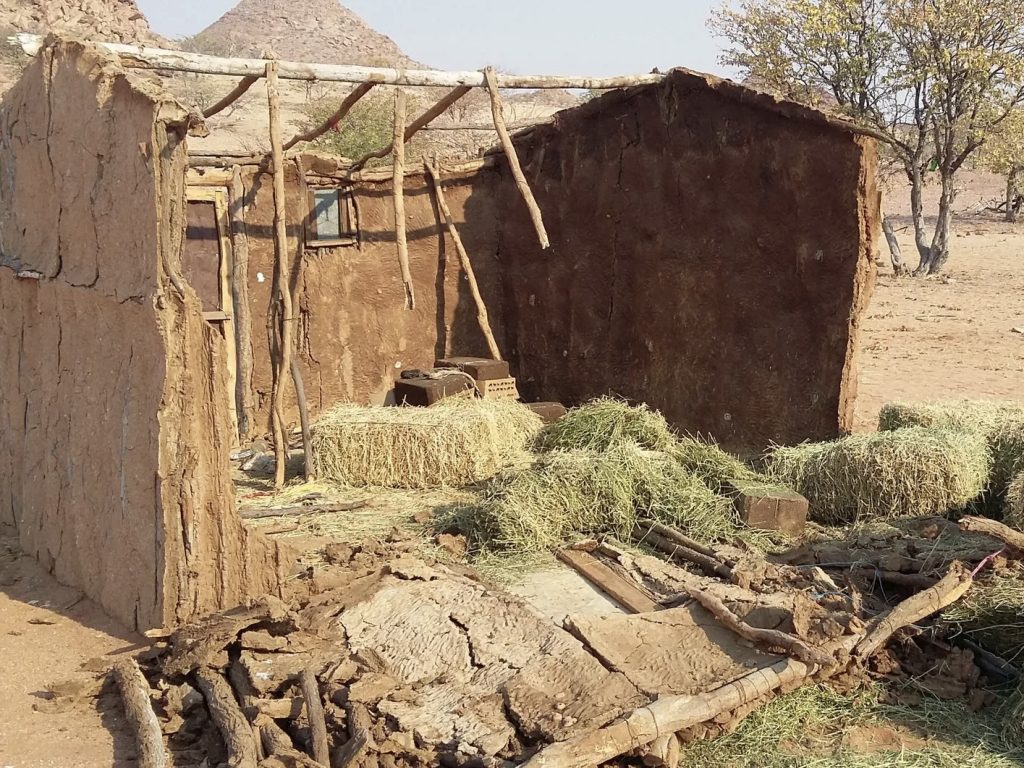
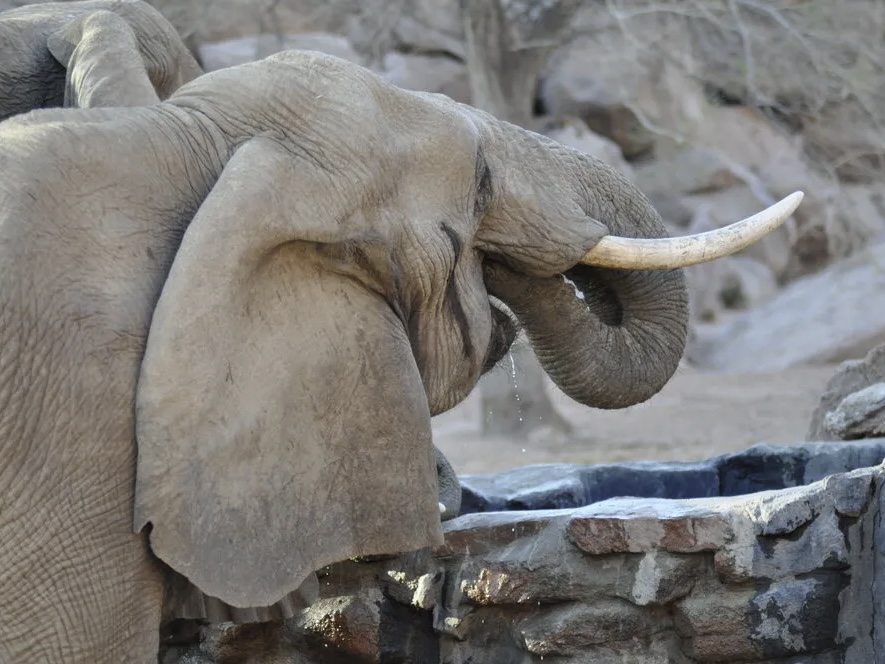
Each adult elephant can drink 200–300 litres of water, making visits particularly expensive where water is pumped using diesel. When water is scarce, elephants may even tear roofs off houses in search of stored water or seed pods. They can also destroy an entire season’s vegetable harvest in a single night. For communities living with these daily challenges, tolerance for elephants is understandably low.
CONFLICT MITIGATION INITIATIVES
EHRA implements a holistic package of conflict mitigation measures, addressing the root causes of human-elephant conflict before expanding to new areas. Together, these initiatives make coexistence more sustainable for both people and elephants.
WATER POINT PROTECTION
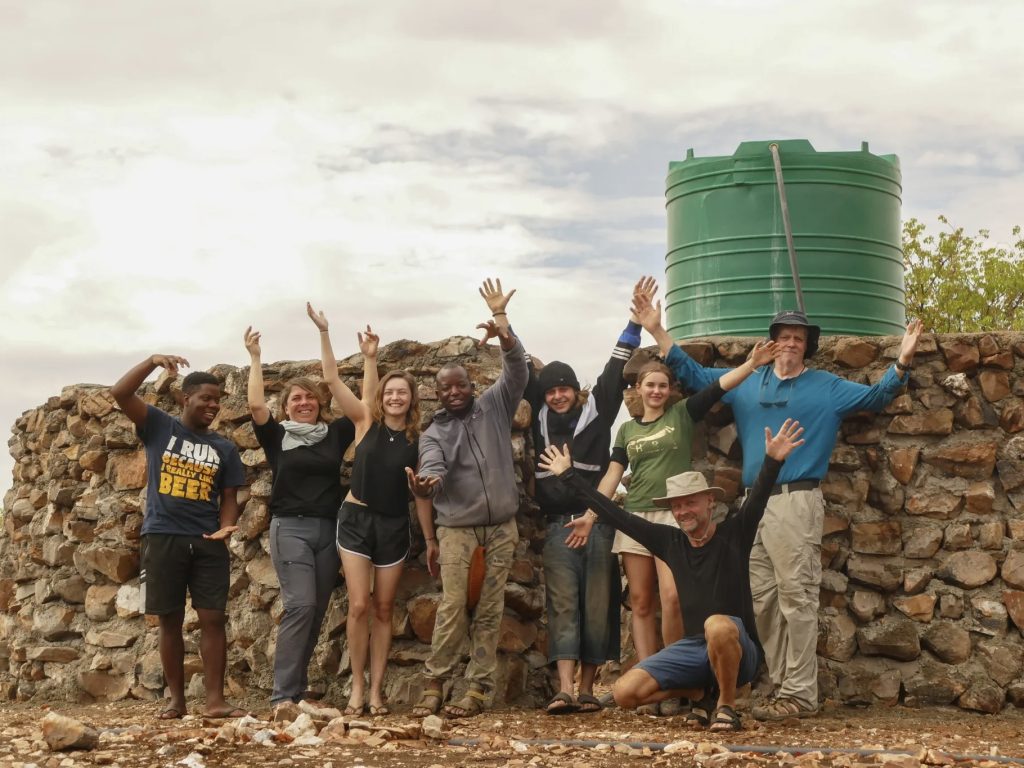
Our flagship project, the Protection Wall Program, remains the cornerstone of our efforts even after two decades. The majority of elephant-caused damage is done to water infrastructure, so protecting the tanks, pumps, and pipes from elephants is a crucial first step towards peaceful coexistence. Together with international volunteers and the local community, we build sturdy stone walls at around 2.5 meters high and about 3 metres away from the tanks to ensure elephants can’t reach the valuable infrastructure.
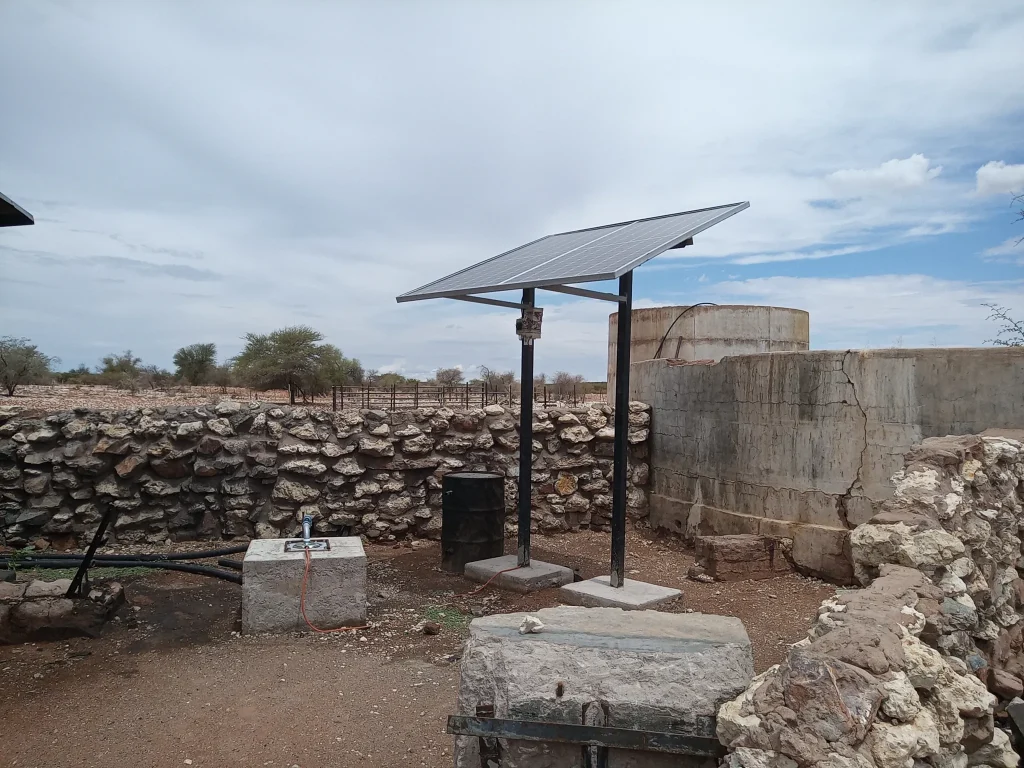
EHRA’s Solar Pump Project aims to replace costly and vulnerable diesel water pumps with sustainable solar-powered systems, ensuring reliable water access for both communities and elephants. Diesel pumps are expensive to operate, especially when an entire elephant herd quenches their thirst for fresh water. By transitioning to solar pumps, EHRA reduces operational costs, minimises environmental impact, and provides a consistent water supply, decreasing competition between humans and elephants. This initiative not only supports long-term water security but also fosters peaceful coexistence by offering elephants alternative, designated water sources.
ALTERNATIVE ELEPHANT DAMS
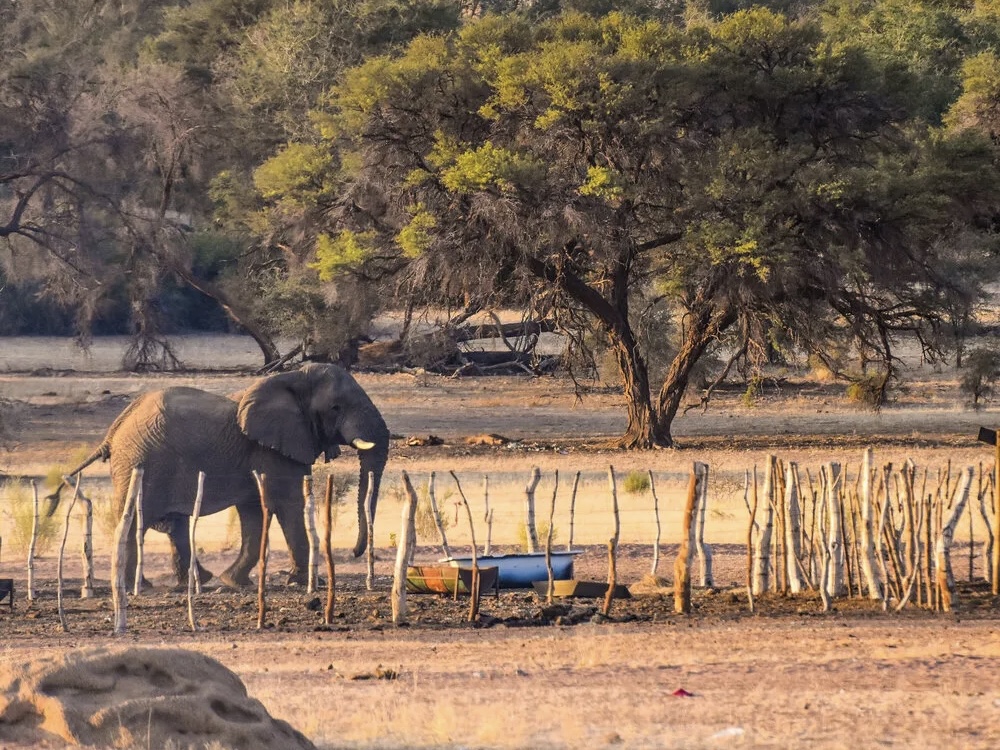
When natural springs dry up, elephants often venture into villages in search of water, sometimes reaching communal water points at night, creating a potential risk for both wildlife and residents. To address this, we have built elephant dams along their migration routes, away from villages. This simple yet effective solution offers elephants a reliable water source, reducing the likelihood of human-wildlife conflict and fostering coexistence.
SOLAR LIGHTS
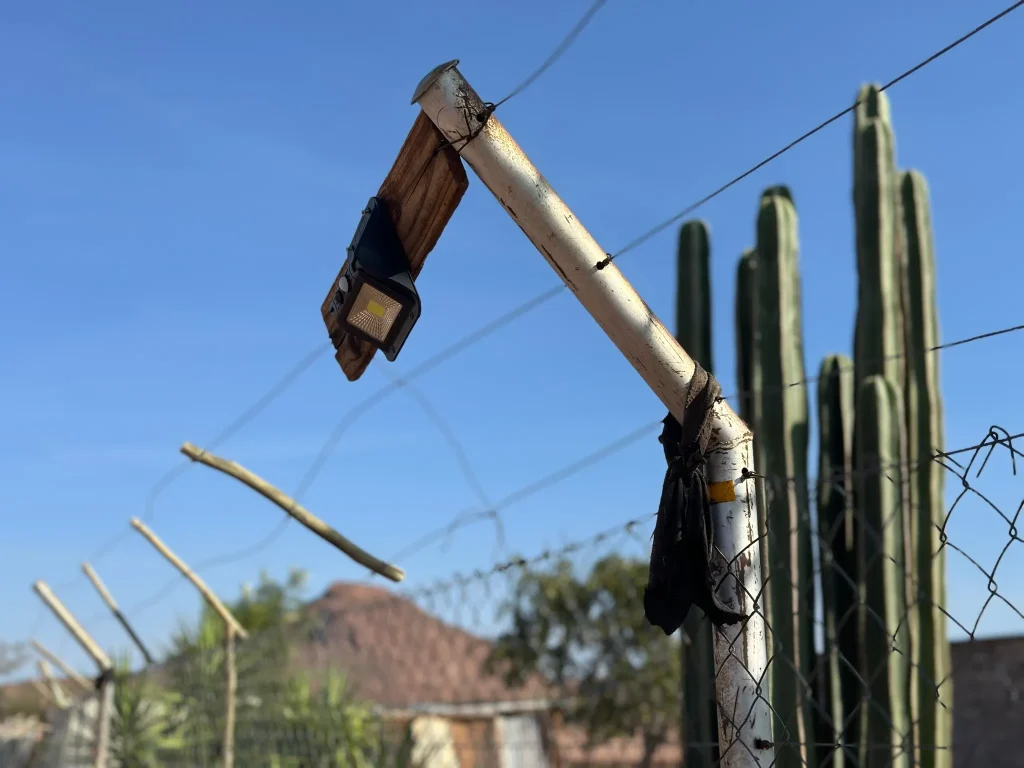
Elephants move with remarkable silence, almost as if walking on air. At night, they blend seamlessly into the darkness, making their presence nearly undetectable. In rural homesteads, where the only light often comes from a fire, stepping outside, whether to fetch water or use the toilet, can be daunting. To enhance safety, we distribute solar lights with motion sensors. When an elephant approaches, the light turns on, prompting it to move away. This simple, cost-effective solution helps prevent unexpected encounters while ensuring a peaceful coexistence between people and elephants.
EDUCATION AND OUTREACH
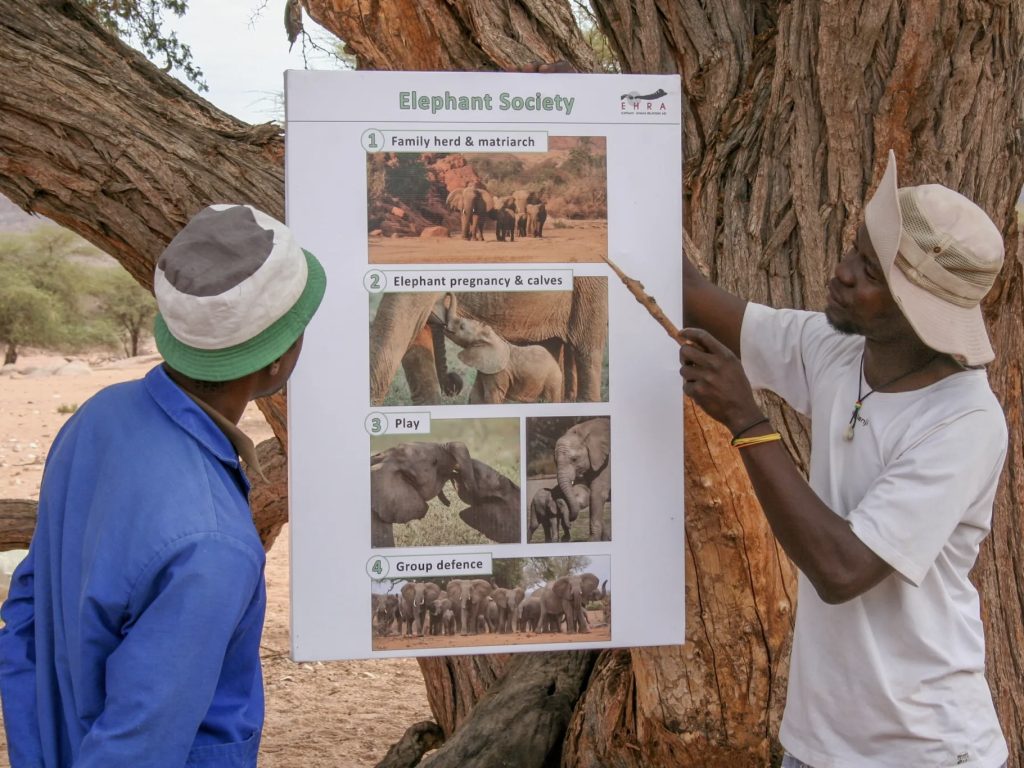
At EHRA, we believe that lasting conservation starts with people. By educating communities about elephants, their behaviour, and the ways to live alongside them, we empower people with knowledge and practical solutions to reduce conflict. Through school programs with our SEED Project, and community workshopsthrough our PEACE Project, we foster understanding, inspire stewardship, and equip the next generation with the tools to protect both their livelihoods and Namibia’s desert elephants.
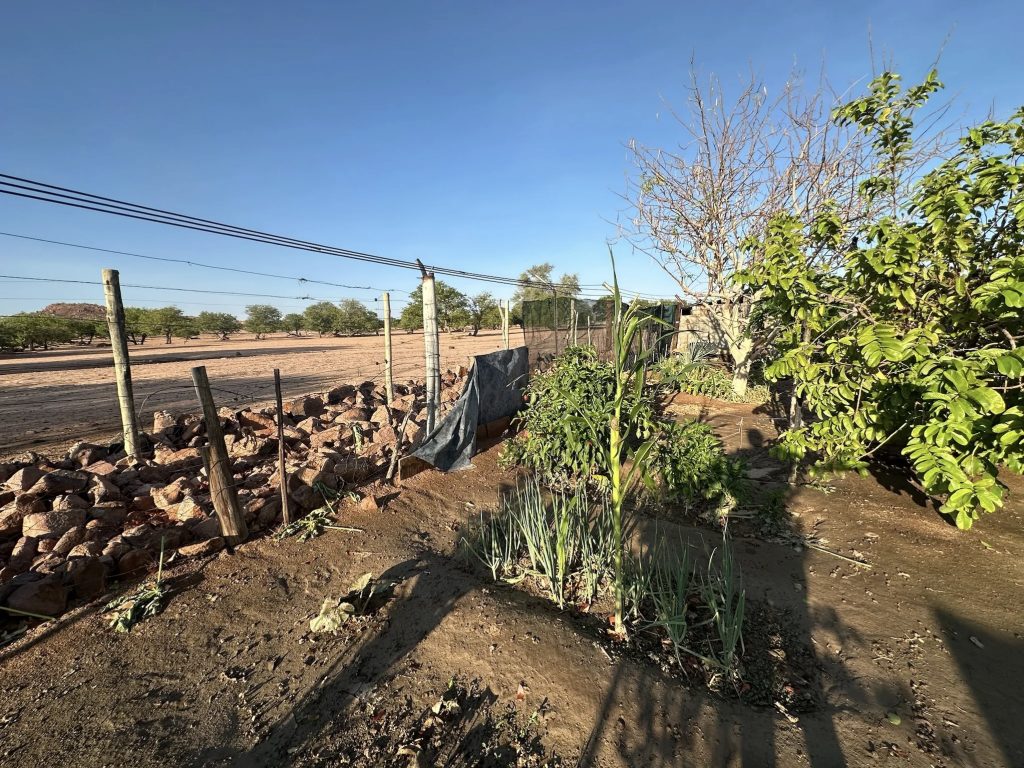
In our mission to promote human-wildlife coexistence, we successfully protect small vegetable gardens from elephant raids, safeguarding both livelihoods and wildlife. This initiative not only ensures that local farmers can harvest their crops without conflict but has also saved the life of a bull elephant, who might have otherwise faced retaliation. In northwest Namibia, where people struggle to provide for themselves, we aim to support self-sustaining initiatives like vegetable gardens.
OUR SPONSORS
Conflict mitigation is made possible by the generous support of the International Elephant Foundation, Aktionsgemeinschaft Artenschutz e.V., European Outdoor Conservation Association, WildArk and NUII Ice Cream.
Cookie Consent
Choose whether to allow optional website statistics and embedded maps or videos. Essential cookies keep the website working. You can change your choices at any time.