
Namibia's DESERT-adapted ELEPHANTS

Life in one of the world’s harshest landscapes

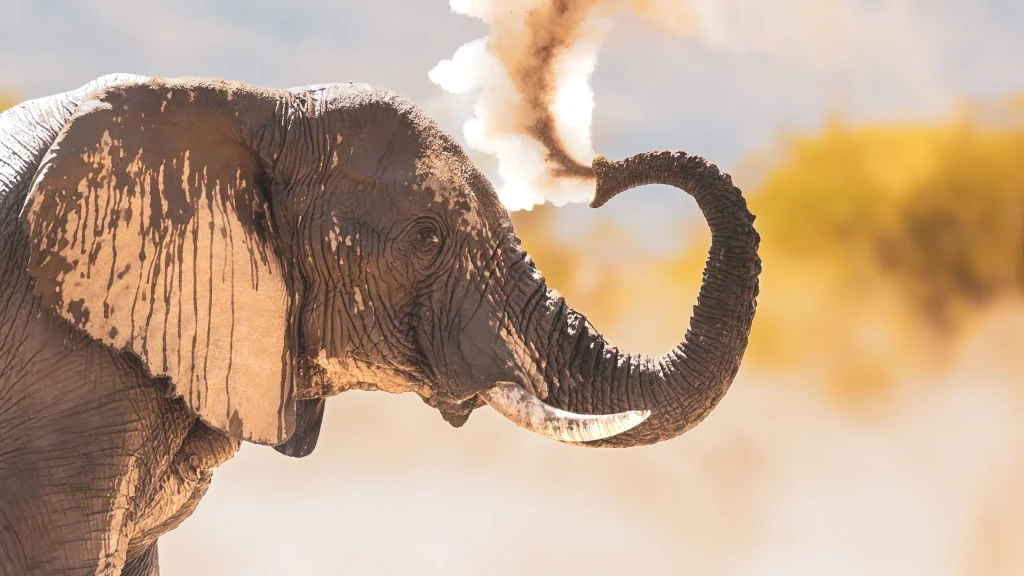
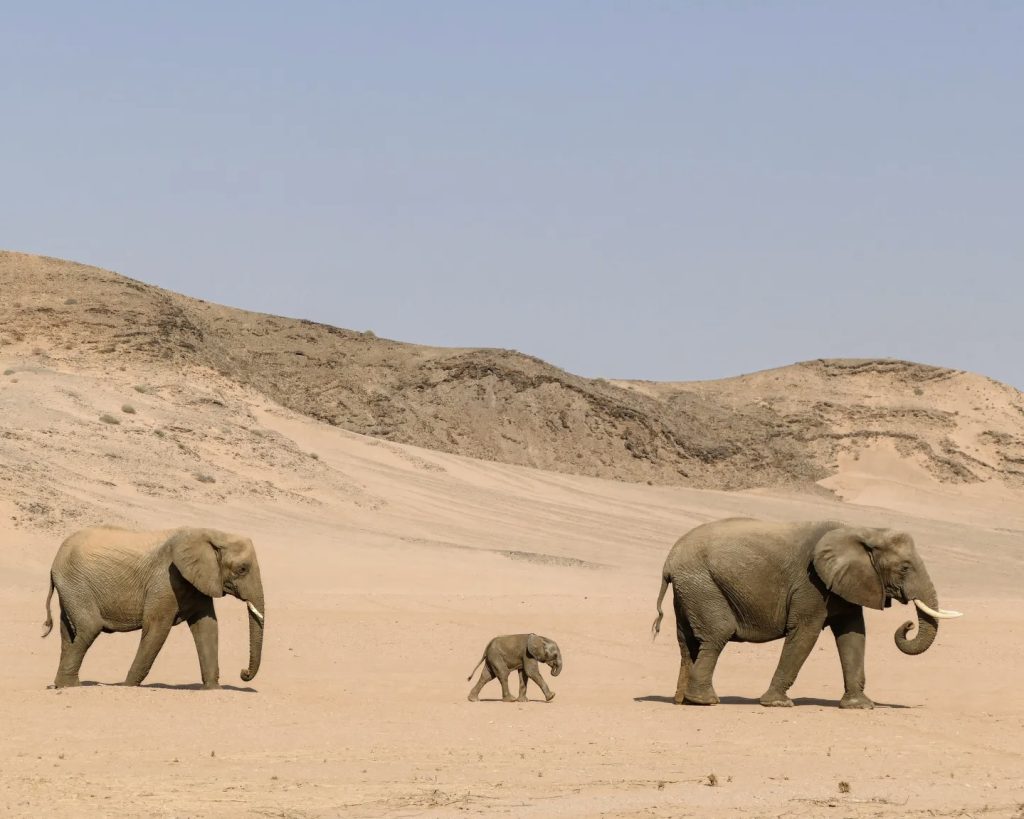
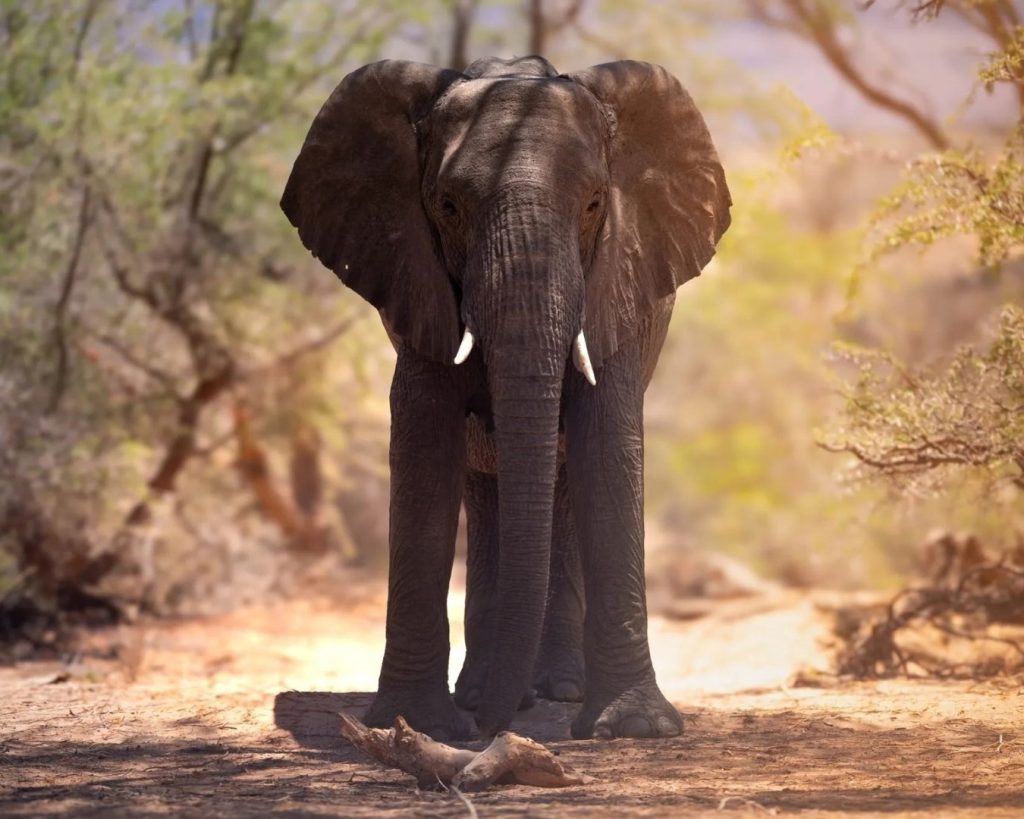
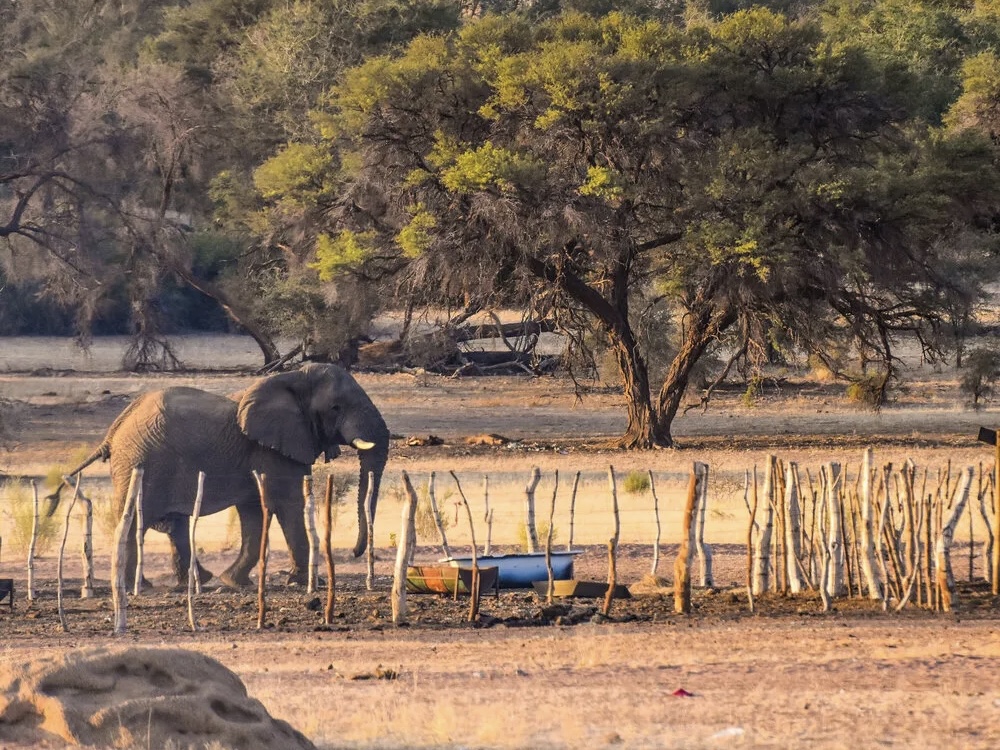
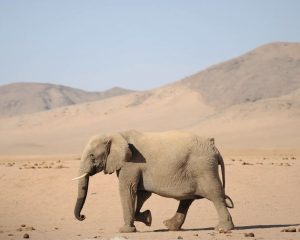
Around 150 desert-adapted elephants roam the dry riverbeds and gravel plains of north-western Namibia’s Kunene and Erongo regions. They survive where water and food can be incredibly scarce.

WHAT MAKES THEM UNIQUE?

Knowledge passed down through generations.

Desert-adapted elephants are African savannah elephants (Loxodonta africana), not a separate species. Only two populations of desert-adapted elephants are known in the world: here in Namibia and in the Gourma region of Mali.

Their survival depends on knowledge of the landscape. They remember where to find water and food, and adjust their movements as conditions change. EHRA has observed them climbing rocky mountains for vegetation and changing routes in response to the desert heat.

MADE FOR DESERT LIFE

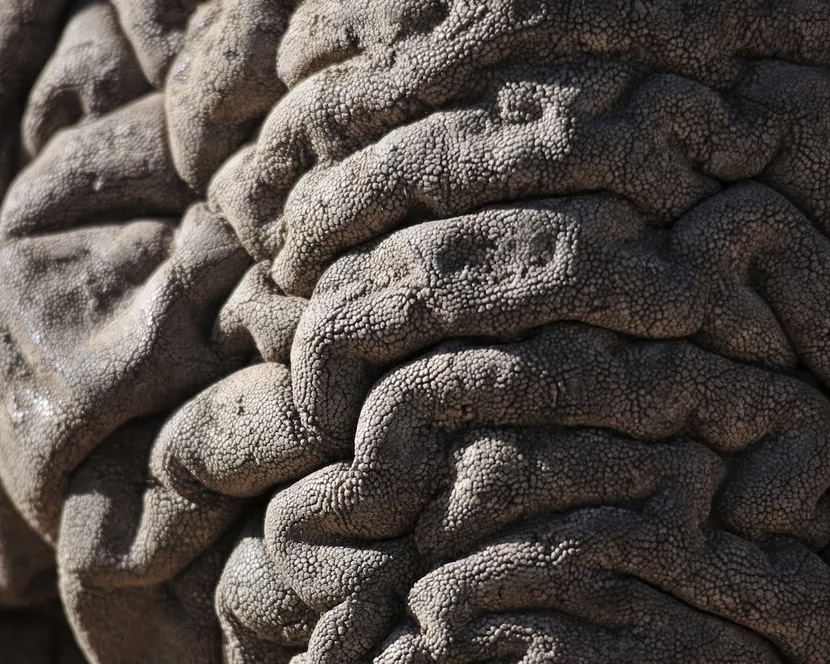
Life in the desert demands some remarkable adaptations. Here are a few ways these elephants cope with the extreme conditions of their environment.

A FRAGILE POPULATION

A long history in a changing landscape

Hunting, poaching, drought and war have had a lasting impact on Namibia’s desert-adapted elephants. They disappeared from the Ugab River during the 1970s and 80s, until a bull named Voortrekker ventured south in the late 1990s, followed by the Mama Afrika herd.

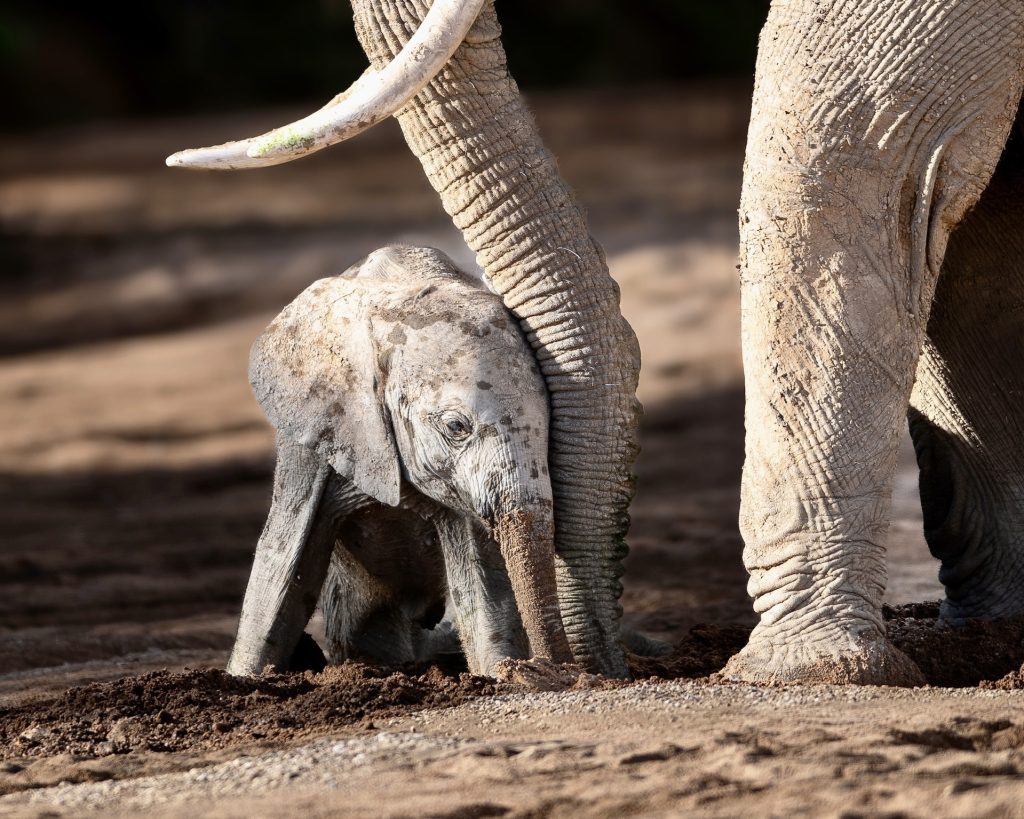
Today, only around 150 remain in the region. Human-elephant conflict and extremely low calf survival continue to threaten their future, with just 2 of 19 calves born in the Ugab since 2012 surviving their first year.

LIFE IN A DESERT ELEPHANT HERD

Family, knowledge and survival

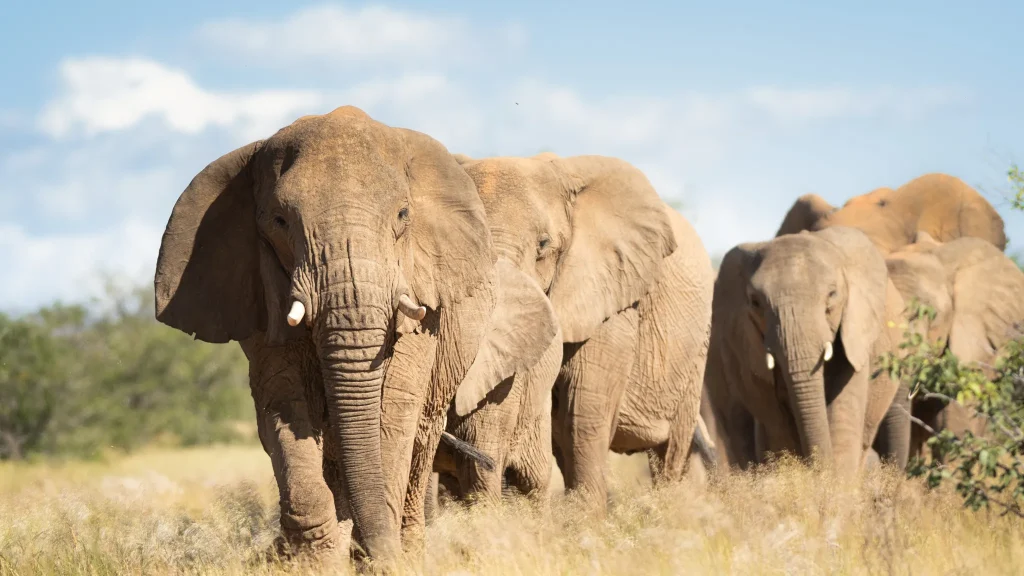
Family groups are led by an experienced matriarch. In the desert, her memory of distant water points and feeding grounds can decide whether her family survives a drought year.

In north-western Namibia, family groups tend to be smaller and their social structures more fluid. EHRA’s monitoring has recorded fractured herds joining together and moving as larger groups.

Bulls usually leave their family groups as teenagers and roam alone or in loose bachelor groups. They are often the ones that venture closest to villages and farms.

Calves depend on their herd to learn the skills they need to survive, making experience and social bonds especially important in this environment.

SHARING THE LANDSCAPE

A future for people and elephants

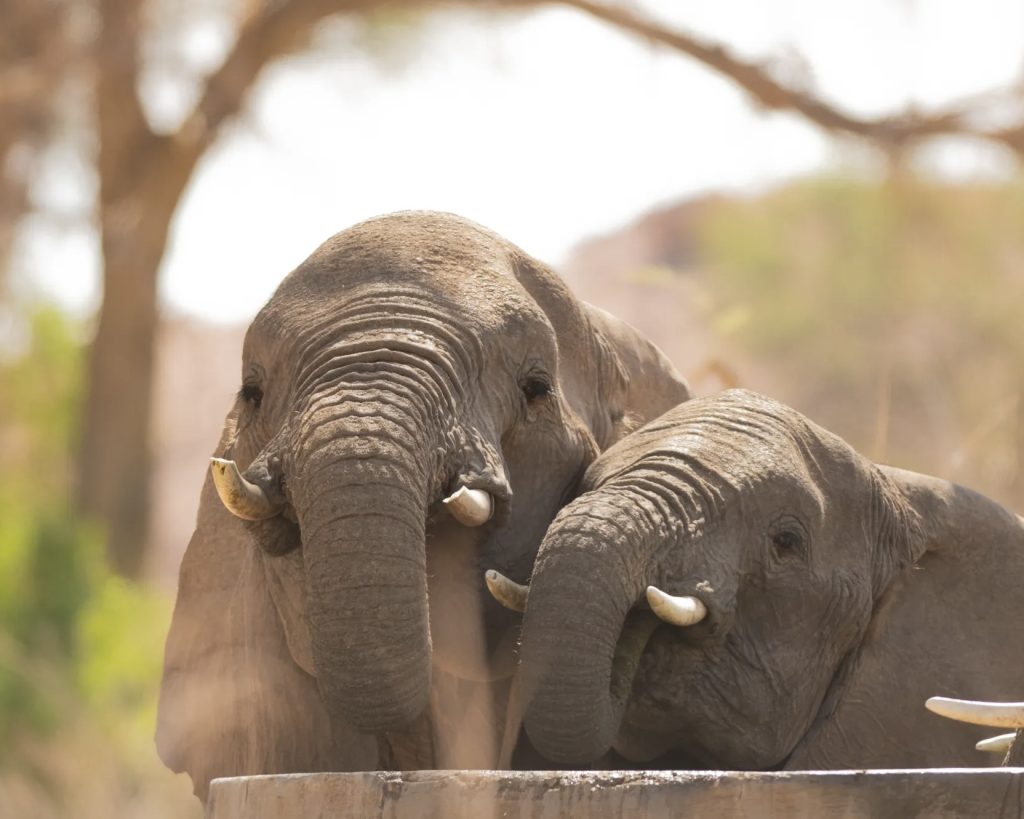
Desert-adapted elephants range across areas shared with rural communities who depend on the same scarce water. A thirsty elephant can break a water tank, pump or garden wall in minutes, costing a family its water supply and putting lives at risk.

EHRA helps communities build protective walls around water points, provides alternative water for elephants and runs education programmes on living safely alongside them.

EHRA works with both people and elephants to support long-term coexistence in north-western Namibia.

LEARN MORE

Explore more about the lives, behaviour and survival of Namibia’s desert-dwelling elephants.

Elephant Anatomy: How an Elephant’s Body Works

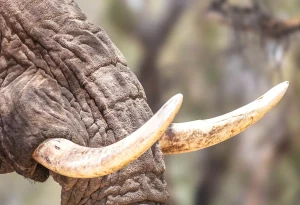
From a boneless trunk with tens of thousands of muscles to feet that can “hear” rumbles through the ground, elephants are engineering marvels. Discover how elephant anatomy works, including their ears, tusks, skin and reproductive system, and how Namibia’s desert-adapted elephants use it to survive one of Earth’s harshest landscapes.
READ MORE

How Namibia’s Desert Elephants Survive

Namibia’s desert-dwelling elephants survive in one of the harshest environments on Earth. Their remarkable knowledge of water, food and ancient routes allows them to navigate the vast, arid landscapes of north-western Namibia.

READ MORE

The Return of Elephants to the Ugab

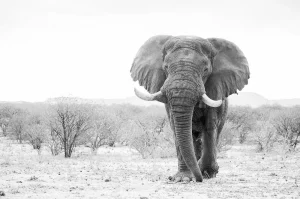
After disappearing from the Ugab River for around two decades, elephants began returning in the late 1990s. At the centre of their return was a bull named Voortrekker, whose journey south marked a new chapter for elephants and the people sharing this landscape.

READ MORE

MEET THE ELEPHANTS

Every elephant we monitor has a name and a story. Adopt one and follow its journey through the desert.