
Elephant Human Relations Aid (EHRA) is a Namibia-based NGO dedicated to conserving desert-adapted elephants through an award-winning wildlife volunteer program. Learn more about our mission and why our work matters.
Since 2003, Elephant-Human Relations Aid (EHRA) has been dedicated to implementing holistic solutions for human-elephant conflicts.
We assess the diverse ways free-roaming elephants negatively impact people’s lives and livelihoods, and trial and apply effective measures to foster peaceful coexistence. Our ultimate aim is to safeguard elephant survival beyond National Park boundaries by employing strategies centred on harmonious living and habitat protection.
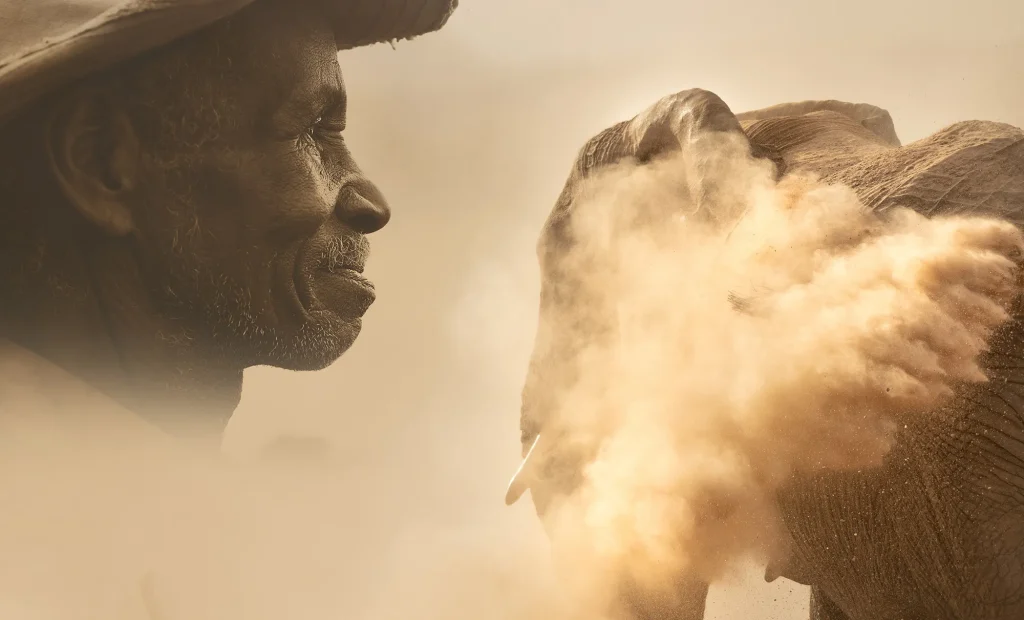
EHRA’s conservation initiatives combine monitoring, conflict mitigation, education, ethical tourism, and landscape-level solutions to protect elephants while supporting safe and sustainable coexistence with people.
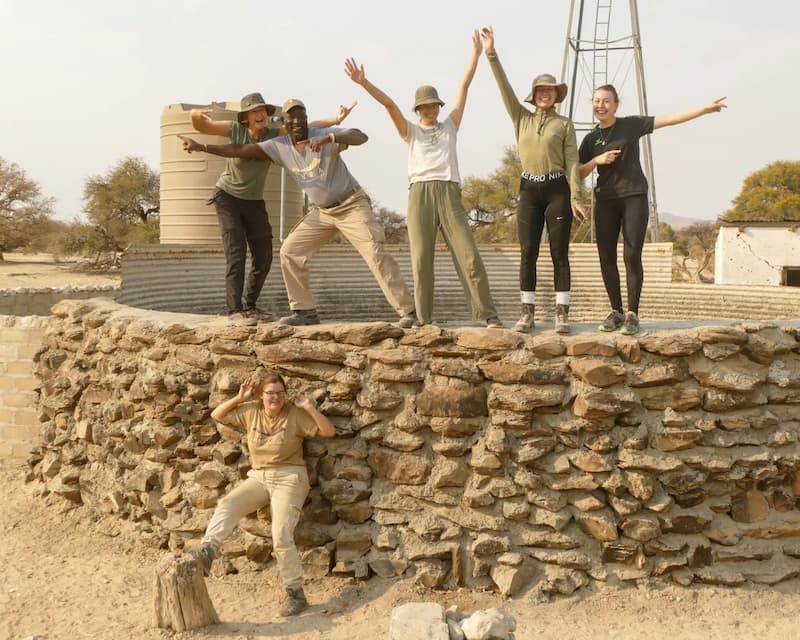
EHRA’s approach to conflict mitigation focuses on practical, community-driven solutions that reduce risk for both people and elephants. By protecting critical water infrastructure with stone walls, introducing solar-powered pumps, and creating alternative water sources such as elephant dams, pressure on shared resources is eased.
Additional measures like solar motion-sensor lights improve safety at night, while protecting vegetable gardens helps secure livelihoods. Alongside these interventions, education programs equip communities with the knowledge and tools to respond safely to elephant presence. Together, these strategies address the root causes of conflict and support long-term coexistence.
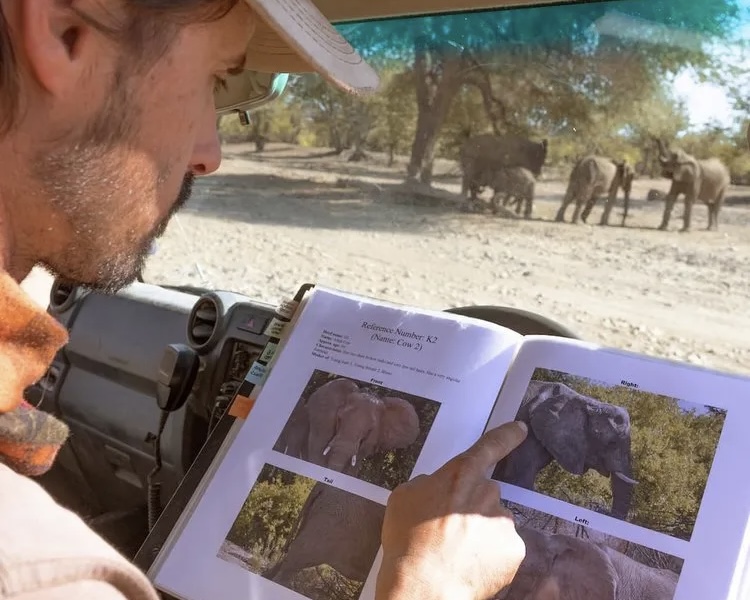
Effective elephant conservation starts with understanding the population. EHRA monitors desert-adapted elephants through individual identification, camera traps, and GPS tracking to build an accurate picture of numbers, movements, and threats. This data feeds into a central database that tracks population trends, sex ratios, and mortality, helping inform responsible management decisions.
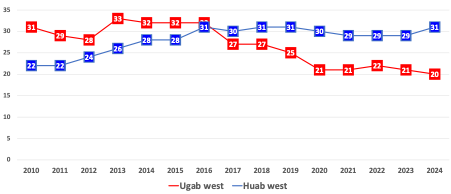
In the Ugab and Huab regions, populations have not increased since 2016, with recorded deaths from both human and natural causes and ongoing concerns around high calf mortality. By combining long-term data collection with targeted studies, EHRA ensures that conservation efforts are based on evidence, supporting the long-term survival of these vulnerable elephant populations.
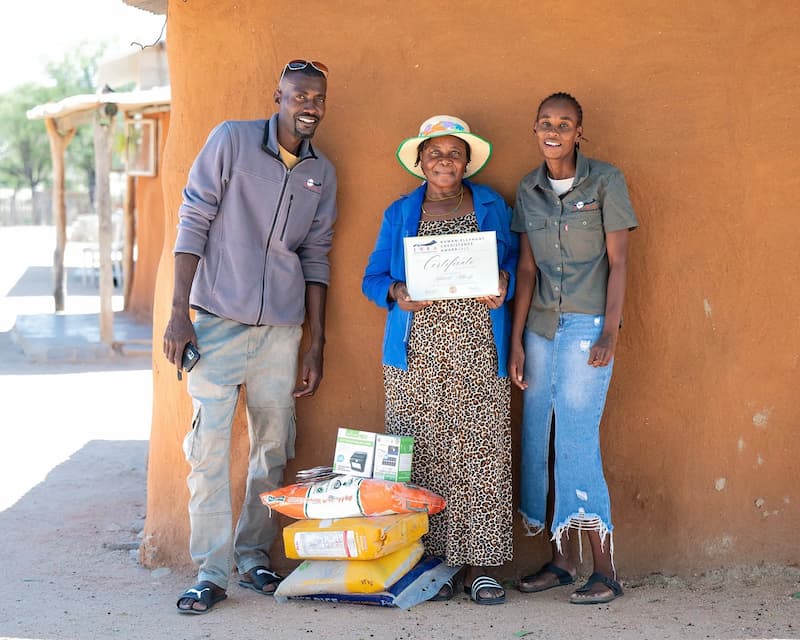
EHRA empowers communities to live safely alongside elephants through its Elephant Safety Outreach programs, launched in 2009 with the PEACE Project. Through hands-on workshops, participants learn about elephant behaviour and practical ways to respond calmly and safely during encounters, often gaining their first positive experience with these animals.
This is supported by the Community Elephant Guard Program, which trains local leaders to monitor movements, respond to incidents, and guide their communities. Combined with the Elephant Alert System, which uses GPS tracking to provide real-time warnings when elephants approach, these initiatives reduce fear, prevent conflict, and build the knowledge needed for long-term coexistence.
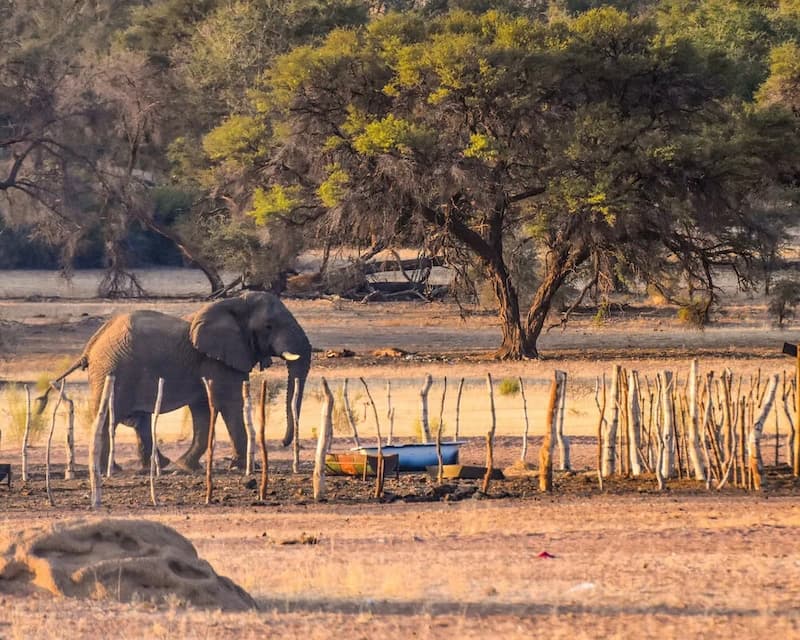
EHRA’s Corridor Project focuses on restoring natural elephant movement pathways across private land while reducing damage to farms. Using long-term movement data and satellite collaring, key routes and conflict hotspots are identified, allowing for targeted solutions such as elephant-friendly collapsible fences that minimise costly breakages.
Real-time alerts from the Elephant Alert System help farmers anticipate elephant presence and respond quickly, while detailed surveys and census data support informed land management. In some areas, farmers also dedicate specific “elephant corners” where elephants can pass freely, creating a practical balance that reduces conflict and allows both people and elephants to share the landscape more sustainably.

EHRA’s Environmental Education work, led through the SEED Project established in 2022, focuses on inspiring young people to become future conservation leaders. Through 3 to 5 day centre-based programs and eco-clubs in rural schools, learners engage in hands-on, outdoor education that builds awareness of key topics such as climate change, water conservation, and elephant conservation.
Designed to complement the national curriculum, the program equips youth with the knowledge and confidence to take action within their own communities, helping to foster long-term environmental stewardship.
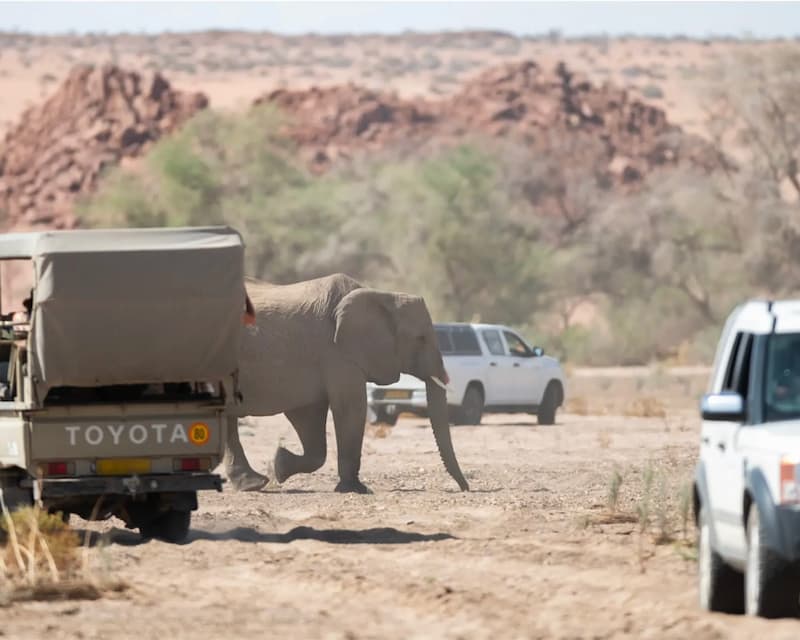
EHRA promotes ethical elephant tourism to ensure that tourism supports, rather than harms, long-term conservation. As tourism has grown in Namibia’s northwest, close and unmanaged encounters have led to elephants associating people with food, sometimes resulting in dangerous behaviour and, in past cases, elephants being shot.
In response, EHRA launched the Ethical Elephant Campaign in 2023 in partnership with Tourism Supporting Conservation and key stakeholders, introducing a Code of Conduct and clear viewing guidelines. Through stakeholder workshops and guide training programs, EHRA works to prevent harmful interactions, promote responsible behaviour, and ensure that tourism contributes positively to the survival of desert-adapted elephants.
Human-Elephant Conflicts
Human-elephant conflict is one of the leading threats to elephant conservation, contributing directly to population declines. As human settlements, agriculture, and infrastructure expand into elephant habitats, encounters become more frequent and often destructive. Elephants in search of food and water can damage water tanks, pipes, and homes, while crop-raiding threatens food security and livelihoods.
These impacts fuel fear and resentment, reducing tolerance and increasing the risk of retaliatory killings. In Kenya alone, authorities report culling up to 120 elephants each year to manage conflict. Addressing this challenge requires practical, community-driven solutions such as early warning systems, elephant-safe water access points, and long-term coexistence strategies.
Dwindling Numbers
African elephant populations have declined dramatically over the past century, dropping from millions in the early 1900s to around 415,000 today. Long-term data show severe losses, with forest elephants decreasing by 90% and savanna elephants by 70%, leading to their classification as Critically Endangered and Endangered, respectively, by the International Union for Conservation of Nature.
In northwest Namibia, desert-adapted elephants in the Ugab and Huab regions remain especially vulnerable, with no population growth recorded since 2016. Conflict-related deaths, small herd sizes, and high calf mortality, along with a recent trend of only female calves surviving, highlight the fragile future of these unique elephant populations.
The Ivory Trade
African elephant populations have declined from an estimated 26 million in the 1800s to fewer than 450,000 today, largely due to ivory demand and trophy hunting. While a global ivory trade ban in 1989 helped slow losses, later legal sales reignited poaching, which still claims around 20,000 elephants each year.
Efforts such as ivory burns, international trade bans, and tighter hunting regulations have made progress, but ongoing demand for tusks and hunting trophies continues to threaten long-term survival, leaving the future of Africa’s elephants uncertain without stronger, sustained protection.
Habitat Loss
Problem Elephants
If many complaints are received, the Ministry of Environment, Forestry and Tourism (MEFT) may declare an elephant as a ‘problem animal’ and issue a hunting permit. A hunter pays for the privilege of shooting the elephant; the local community then receive money to help offset the cost of damages caused by the elephant, as well as its meat. This is currently one of the few ways people benefit from living with elephants in their vicinity.
It’s vital that the correct elephant is identified so that the problematic behaviour cannot be taught to other elephants. Increasing pressure and unethical behaviour of tourists have in the past resulted in the development of problem elephants that had to be shot.
Fear and Lost Knowledge
For many years, elephants were absent from southern Kunene, and with their disappearance an entire generation lost the knowledge of how to live alongside them. When elephants returned, communities were suddenly faced with sharing scarce resources like water with large, powerful animals that can damage infrastructure such as pumps and storage systems.
This loss of traditional knowledge, combined with fear and superstition, has led to unsafe reactions that put both people and elephants at risk. Elephant Human Relations Aid works to rebuild this knowledge, supporting communities with the tools and understanding needed to coexist safely with desert-adapted elephants.
Climate Change
Elephants are keystone species that play a vital role in maintaining healthy ecosystems. In dry landscapes like Namibia, they dig for water and create pathways that help other animals survive, while also supporting plant growth and biodiversity. They are equally important to people, contributing to tourism and local livelihoods.
Yet elephant populations continue to decline due to habitat loss, poaching, and human-wildlife conflict. Namibia’s desert-dwelling elephants are no exception. In the Ugab, conflict-related deaths caused a sharp decline, and high calf mortality raises serious concerns for the future. Protecting elephants is not only about saving a species, but about preserving the balance of entire ecosystems and supporting the communities that depend on them.
Choose whether to allow optional website statistics and embedded maps or videos. Essential cookies keep the website working. You can change your choices at any time.
Manage your cookie preferences below:
Essential cookies enable basic functions and are necessary for the proper function of the website.
Optional website statistics help us understand visits, pages viewed and links used. Google Analytics may use cookies to recognise repeat visits.
Helps EHRA understand visits, pages viewed and links used. Runs only after Statistics is allowed.
Service URL: policies.google.com (opens in a new window)
Allows YouTube videos and Google Maps to load from their providers. These providers may collect usage information and set cookies.
Displays the EHRA base camp and Swakopmund office maps. Loads from Google only when Embedded content is allowed.
Service URL: policies.google.com (opens in a new window)
Plays EHRA embedded videos from YouTube when Embedded content is allowed. YouTube may receive usage information and set cookies.
Service URL: policies.google.com (opens in a new window)
Read our Cookie Policy and Privacy Policy. Use the cookie preferences button to change your choices at any time.