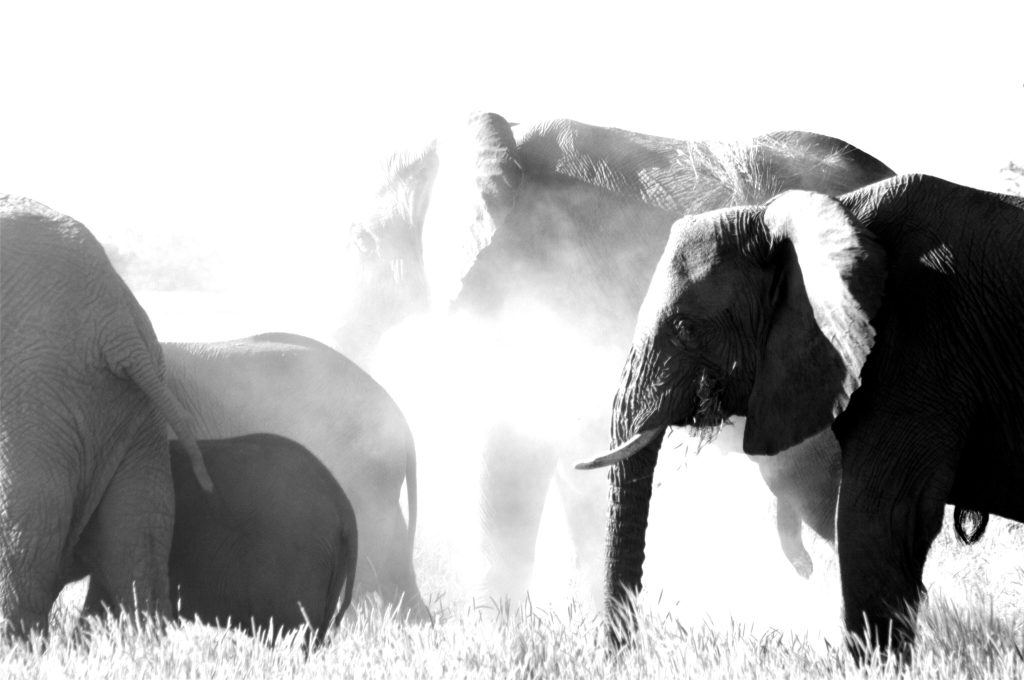
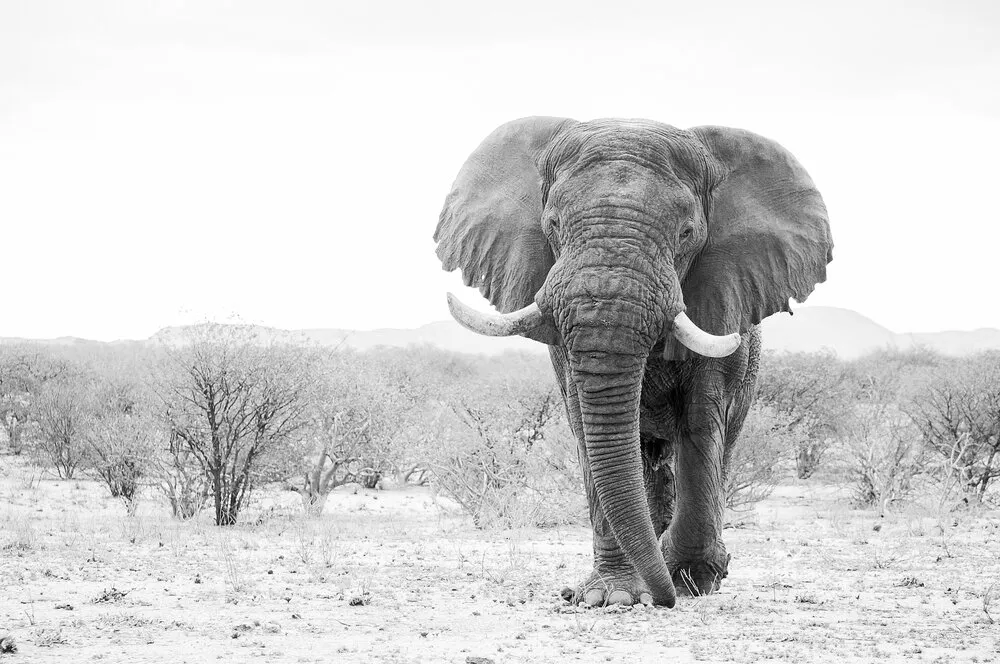
Every organisation has a beginning. Ours has four legs, a trunk, and a rumble that locals once compared to a motorbike.
In the late 1990s, after years of absence, elephants walked back into the Ugab River valley in Namibia’s southern Kunene region. Their return changed life for everyone who shares this dry, beautiful landscape. It is also the reason EHRA exists today.
The silent Decades
Elephants have lived in Namibia’s arid north-west for centuries. In the 18th century, the Namib region is estimated to have held between 2,500 and 3,500 of them (P.J. Viljoen, 1987).
Their decline began in the second half of the 19th century, as hunting and poaching increased. In the 20th century, war, drought and continued poaching added to the pressure, and by 1983 only around 360 remained (P.J. Viljoen, 1987). By then, the desert-adapted elephants of the Ugab were gone, lost to hunting or moved north, away from the fighting.
For years, the riverbed was quiet.
The return of Voortrekker
The first sign of change was a single bull. Wandering south from northern Namibia, he appeared in the Ugab valley and announced himself with a deep, rolling rumble that local people still talk about.
He was named Voortrekker, the pioneer. Having found his way into the valley, he later returned leading a small group of elephants, a family we now know as Mama Afrika’s herd.
Others followed. The original group of around 20 animals eventually split into separate family units, each favouring its own stretch of riverbed. Today, EHRA monitors more than 60 resident and visiting elephants across the Ugab and Huab river regions.
Sharing the Ugab again
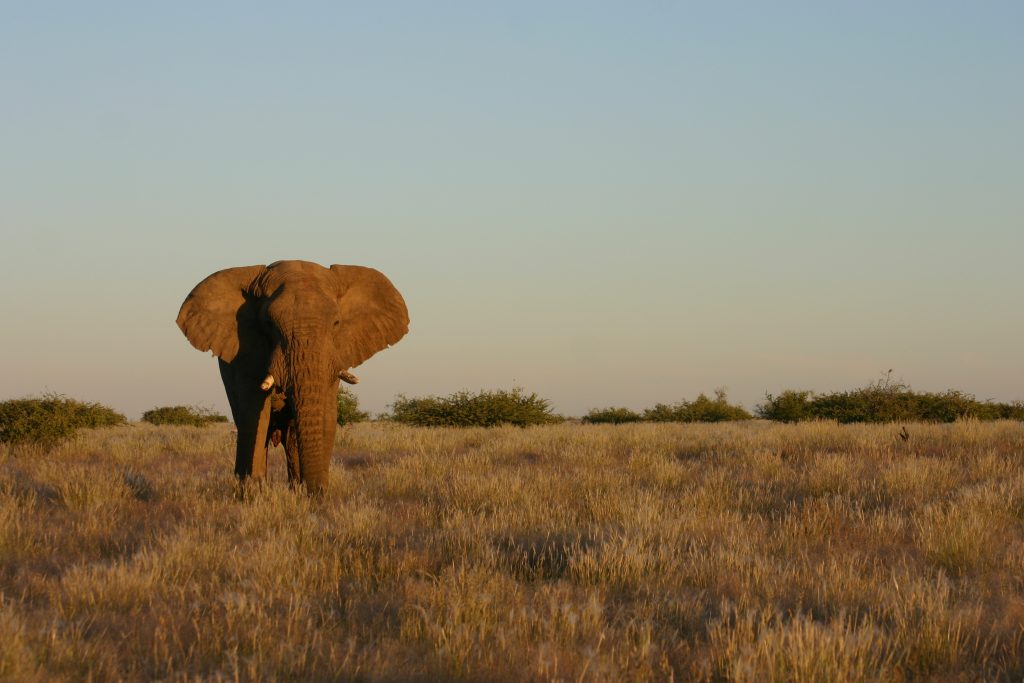
The elephants came home to a changed landscape. After independence, many families had settled along the Ugab, farming livestock on communal land. Most of them had never lived alongside elephants.
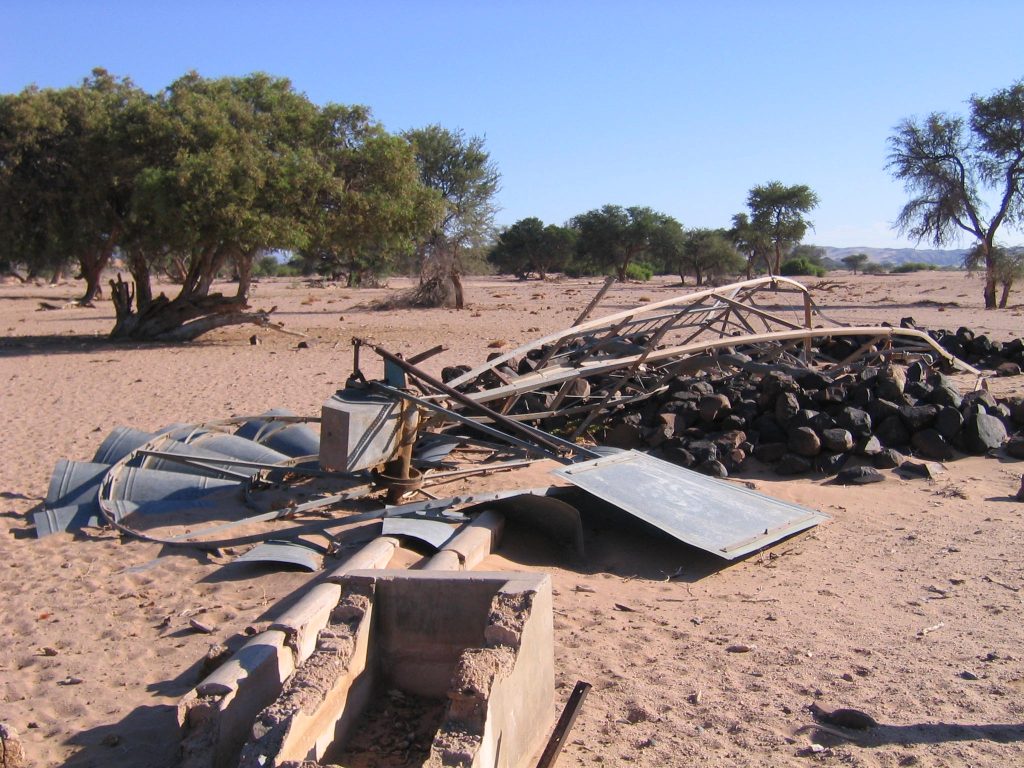
In the desert, everything comes down to water. Thirsty elephants pushed over windmills, cracked water tanks with their tusks, and drank from dams that communities depended on. Traditional homes were damaged too.
For a family, this could mean losing their only water supply overnight. For the elephants, it meant growing fear and resentment, and the real risk of being shot as problem animals.
How EHRA Began
Johannes Haasbroek was volunteering with Save the Rhino Trust in the Ugab area when he witnessed the elephants’ return first-hand. He saw both the wonder of it and the hardship it was causing, and he wanted to find a way for people and elephants to share the land safely.
He founded Elephant-Human Relations Aid in 2002 and registered it as a Namibian non-profit in 2003. In 2004, Rachel Harris moved from the UK to Namibia to help build the organisation.
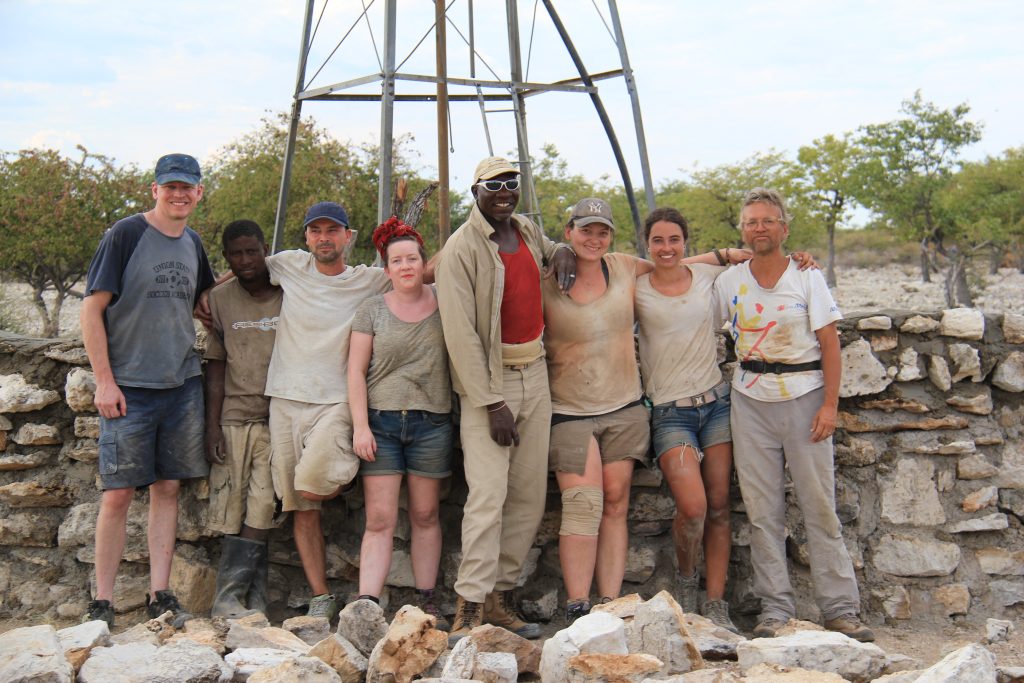
The approach was simple and practical: protect the water. Volunteers began building stone walls around community water points, alongside separate drinking spots for the elephants. In 2009 we launched the PEACE Project (People and Elephants Amicably Co-Existing) to help communities understand elephant behaviour and stay safe around them.
Voortrekker’s Legacy
Voortrekker stayed in the Ugab for the rest of his life. He became the oldest of its dominant bulls, a steadying influence on the younger males and a legend among guides and visitors. On 25 June 2019, after being declared a problem elephant, he was shot.
Losing him was a painful reminder of what is at stake when conflict goes unresolved. Afterwards, we made a promise: never to let another free-roaming desert elephant die because of hunting or human-wildlife conflict.
More than 20 years on, the elephants are still here, and so are we. Every wall we build and every PEACE workshop we run continues the journey Voortrekker began when he walked back into the Ugab.
If you’d like to be part of that story, join us as a volunteer or support our work.